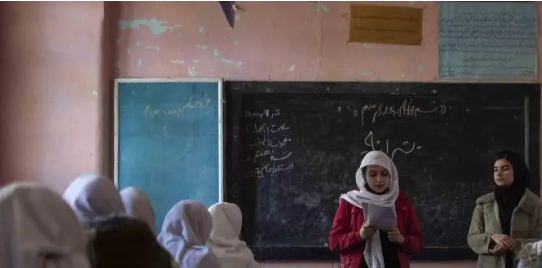
The return of the Taliban regime to power in Afghanistan has raised serious concerns about the rights and freedoms of women and girls. Reports emerging from the region suggest that girls are once again being subjected to discriminatory practices, limiting their access to education, employment, and basic rights. The international community has a crucial role to play in ensuring that the rights of Afghan girls are protected and that steps are taken to mitigate the differential treatment they face under the Taliban regime.
Erosion of Hard-Earned Gains
Over the past two decades, Afghanistan has made significant strides in advancing gender equality and promoting girls’ education. However, the resurgence of the Taliban threatens to erase these hard-earned gains. Reports indicate that girls are being prevented from attending school beyond a certain age, restricted from participating in sports and cultural activities, and forced into early marriages. Such practices not only perpetuate gender-based discrimination but also hinder the country’s development and progress.
Impact on Society
The differential treatment of girls under the Taliban regime has far-reaching implications for Afghan society as a whole. By limiting girls’ access to education and opportunities, the Taliban is stifling the potential of half the population. This not only undermines Afghanistan’s ability to rebuild and prosper but also perpetuates a cycle of poverty, ignorance, and inequality. The exclusion of girls from public life also weakens the fabric of society, hindering the diversity of perspectives and ideas needed for sustainable development.
The Role of the International Community
Addressing the differential treatment of girls under the Taliban regime requires a coordinated and concerted effort from the international community. Here are some steps that can be taken:
- Diplomatic Pressure: The international community, including governments, international organizations, and NGOs, must use diplomatic channels to pressure the Taliban to respect human rights, including the rights of women and girls. Condemning discriminatory practices and advocating for equal treatment is crucial to hold the regime accountable.
- Humanitarian Aid: Humanitarian organizations should prioritize the needs of Afghan women and girls in their aid efforts. This includes providing support for education, healthcare, and economic empowerment programs that specifically target girls and women.
- Safe Havens and Resettlement: Countries should open their doors to Afghan girls and women who are at risk and provide them with safe havens and opportunities for resettlement. This could include scholarships for education, employment opportunities, and refugee status for those facing immediate danger.
- Media and Advocacy: The power of media and advocacy cannot be underestimated. Highlighting the stories and struggles of Afghan girls under the Taliban regime can galvanize international support and mobilize action.
- Support for Local Initiatives: Organizations that are working on the ground to empower women and girls should be provided with the resources and support they need to continue their vital work. These local initiatives play a crucial role in providing education, healthcare, and support to girls in the face of adversity.
Conclusion
The differential treatment of girls under the current Taliban regime in Afghanistan is a stark reminder of the challenges that persist in the fight for gender equality. The international community must stand united in condemning such practices and take concrete steps to protect the rights and futures of Afghan girls. By leveraging diplomatic, humanitarian, and advocacy efforts, the world can work towards ensuring that Afghan girls are not left behind and that their rights are upheld in the face of adversity. Only through collective action can we create a world where all girls have the opportunity to thrive and contribute to a brighter future.